
About the Author
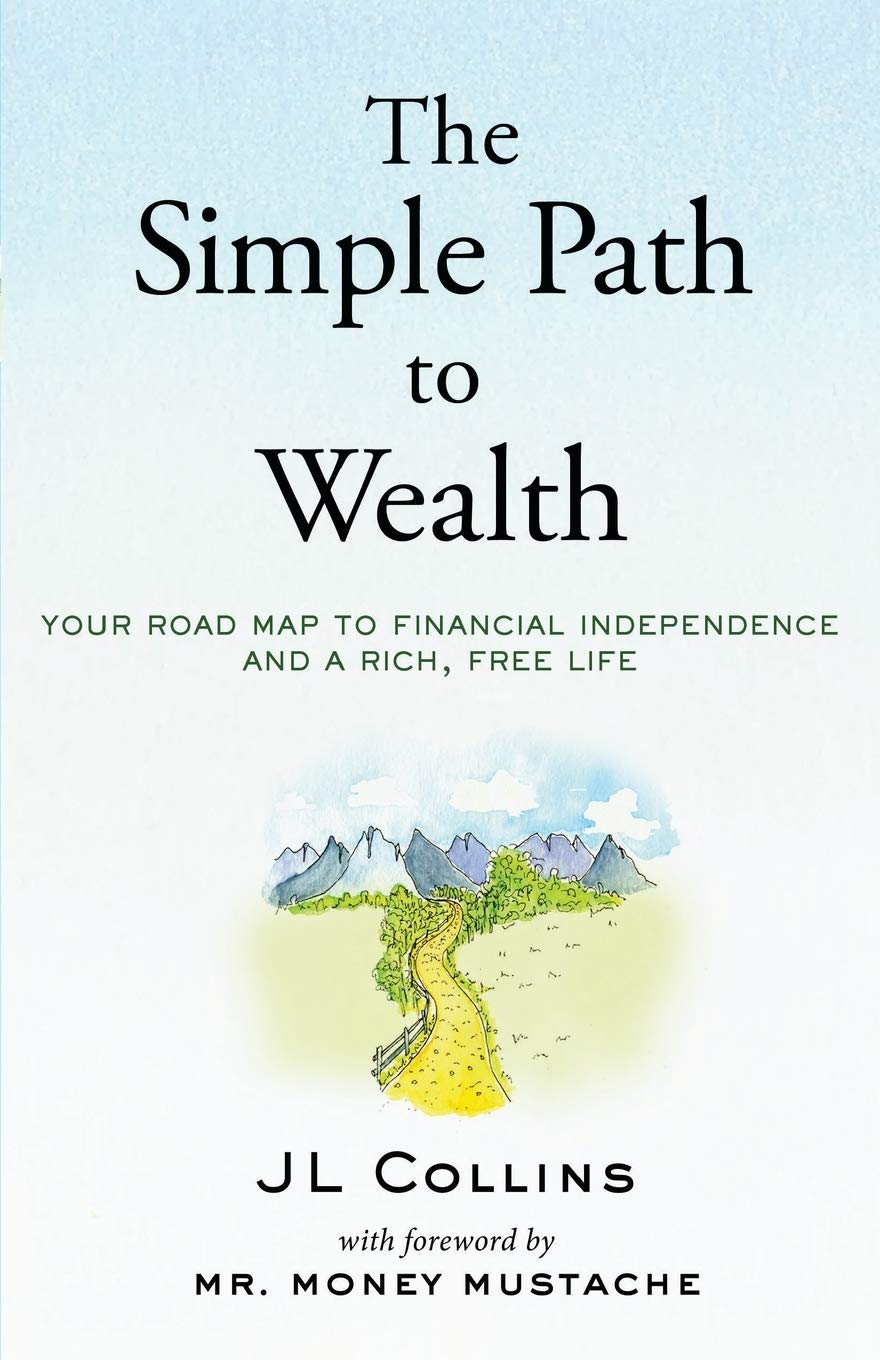
JL Collins is an experienced investor and financial blogger who wrote The Simple Path to Wealth as a guide to help people achieve financial independence with minimal stress. The book is based on his popular series of blog posts that explain personal finance and investing in a clear, no-nonsense way. Collins focuses on the idea of financial freedom — having enough money to live without being tied to a job — and shares practical strategies to achieve it.
The Importance of F-You Money
One of the key concepts in the book is “F-You Money.” Collins explains that this is the money you’ve saved that gives you the freedom to walk away from a bad job, bad boss, or bad situation without worrying about your financial security. It’s the ultimate form of financial independence because it allows you to make decisions based on what’s best for you, not what you need to survive. Building up F-You Money is the first step to true financial freedom.
Why Index Funds are the Key
Collins believes that investing in low-cost index funds is the simplest and most effective way to build wealth. Index funds don’t try to beat the market by picking individual stocks. Instead, they track the overall market, giving you exposure to a wide range of companies. Over time, the stock market has historically grown, and index funds allow you to benefit from this growth without the risk of betting on a few stocks. Collins specifically recommends the Vanguard Total Stock Market Index Fund (VTSAX), which offers broad market exposure at a low cost.
Avoid Debt Like the Plague
Debt is a major roadblock to building wealth, and Collins strongly advises avoiding it as much as possible. He explains that debt can keep you trapped in a cycle of working just to pay off what you owe, which makes it harder to save and invest. The only good debt, in his opinion, is a mortgage, but even that should be approached cautiously. By staying out of debt, you keep more of your income, which can then be used to grow your wealth.
The Power of Saving
Collins emphasizes the importance of saving a significant portion of your income. He suggests saving at least 50% of what you earn, but even if you can’t save that much, saving as much as possible is crucial. The more you save, the faster you can build up your wealth and reach financial independence. Collins encourages people to live below their means and be mindful of lifestyle inflation — when your expenses rise as your income increases.
The Stock Market is Your Best Friend
Many people are afraid of the stock market because they see it as risky and unpredictable. Collins argues that while the market does go up and down in the short term, over the long term, it tends to go up. He explains that the stock market is the most powerful wealth-building tool available to ordinary investors. By staying invested in the market through index funds and riding out the ups and downs, you can grow your money significantly over time.
The Power of Compound Interest
Collins talks about the magic of compound interest, which allows your money to grow exponentially over time. When you invest, you earn returns, and those returns start earning their own returns. The earlier you start investing, the more time your money has to compound, which can turn small contributions into a large nest egg. Patience and consistency are key — the longer you leave your money invested, the more it will grow.
Don’t Try to Time the Market
One of Collins’ key messages is that you should never try to time the market. This means you shouldn’t try to guess when the market is going to go up or down and make decisions based on those predictions. Even experts get it wrong, and trying to time the market usually leads to buying high and selling low. Instead, Collins advocates for a strategy of staying the course — investing consistently and holding onto your investments through market ups and downs.
Create a Simple Plan
Collins stresses that you don’t need a complex investment strategy to build wealth. In fact, simplicity is often the best approach. He advises setting up an automatic investment plan, where money is regularly taken from your paycheck or bank account and invested in index funds. By automating the process, you don’t have to think about it, and your wealth will grow over time without any effort on your part.
Bonds as a Safety Net
While Collins is a big advocate of stocks, he also acknowledges the role that bonds can play in your investment portfolio. Bonds are less volatile than stocks and can provide a safety net during market downturns. As you get closer to retirement or financial independence, he suggests gradually adding more bonds to your portfolio to reduce risk. However, he emphasizes that young investors should focus primarily on stocks to maximize their growth potential.
Embrace Financial Freedom
The ultimate goal of The Simple Path to Wealth is financial freedom. Collins explains that once you’ve built up enough wealth, you have the ability to live life on your own terms. You can choose to retire early, work part-time, or pursue passions that don’t necessarily pay well. Financial independence gives you control over your time and your life, which is the true meaning of wealth.
The Simple Path to Wealth by JL Collins provides a straightforward, no-nonsense approach to building wealth and achieving financial independence. Collins emphasizes the importance of saving, avoiding debt, and investing in low-cost index funds to grow your money over the long term. By keeping your investment strategy simple and staying the course through market ups and downs, you can build financial security and freedom, allowing you to live life on your own terms.
See our list of 10 Books for Beginner Investors, for more books like this.
Leave a Reply